
Mastering Commercial Cleaning Practices: Elevate Your Space with Expert Standards

Maintaining a clean and healthy environment is essential for any business or home. Mastering commercial cleaning practices ensures that every corner of your space is spotless, safe, and welcoming. I understand the importance of high-quality cleaning standards because a well-maintained environment reflects professionalism and care. In this post, I will guide you through the key principles and actionable steps to master commercial cleaning standards effectively.
Understanding Commercial Cleaning Practices: The Foundation of Cleanliness
Commercial cleaning practices go beyond simple tidying up. They involve systematic approaches, specialized equipment, and trained personnel to deliver consistent, thorough results. Whether you manage an office, retail space, or residential property, adopting these practices guarantees a healthier environment and enhances the overall experience for occupants and visitors.
Key elements of commercial cleaning practices include:
Scheduled cleaning routines: Regular cleaning prevents dirt buildup and maintains hygiene.
Use of professional-grade products: These products are designed to tackle tough stains and sanitize effectively.
Trained cleaning staff: Skilled workers understand the nuances of different surfaces and cleaning techniques.
Safety protocols: Proper handling of chemicals and equipment protects both cleaners and occupants.
By focusing on these elements, you create a reliable cleaning system that meets industry standards and exceeds expectations.
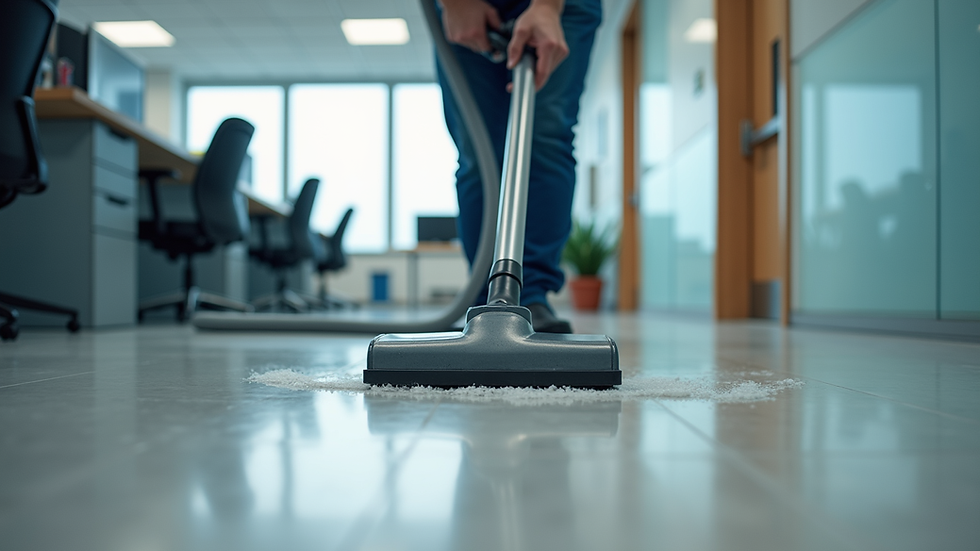
Essential Tools and Techniques for Commercial Cleaning
To master commercial cleaning standards, you need the right tools and techniques. Using outdated or inappropriate equipment can compromise the quality of your cleaning and waste valuable time.
Must-have tools for commercial cleaning:
Microfiber cloths and mops: These trap dust and dirt more effectively than traditional materials.
HEPA filter vacuums: They capture fine particles, improving air quality.
Automatic floor scrubbers: Ideal for large areas, these machines save time and deliver a deep clean.
Disinfectant sprays and wipes: Use EPA-approved products to kill germs and viruses.
Protective gear: Gloves, masks, and eye protection ensure safety during cleaning.
Techniques to implement:
Top-to-bottom cleaning: Always start from higher surfaces and work downwards to avoid recontamination.
Spot cleaning: Address spills and stains immediately to prevent permanent damage.
Color-coded cleaning tools: Assign specific colors to different areas (e.g., restrooms, kitchens) to avoid cross-contamination.
Proper dilution of chemicals: Follow manufacturer instructions to maximize effectiveness and reduce waste.
Mastering these tools and techniques will boost your cleaning efficiency and maintain high standards consistently.
What is the 20/10 Rule for Cleaning?
The 20/10 rule is a simple yet powerful guideline to improve cleaning productivity and focus. It involves working in focused intervals to maintain energy and attention.
Work for 20 minutes: Concentrate fully on cleaning a specific area or task.
Take a 10-minute break: Rest and recharge before moving on.
This method helps prevent burnout and ensures thorough cleaning without rushing. It also encourages a steady pace, which is crucial for maintaining quality in commercial cleaning practices.
Applying the 20/10 rule can transform how you approach cleaning tasks, making them more manageable and effective.

Maintaining Compliance with Health and Safety Standards
Adhering to health and safety standards is non-negotiable in commercial cleaning. These standards protect everyone in the environment and ensure legal compliance.
Key compliance areas include:
Proper chemical handling: Store and use cleaning agents according to safety data sheets.
Personal protective equipment (PPE): Always wear gloves, masks, and eye protection when necessary.
Waste disposal: Dispose of hazardous and non-hazardous waste responsibly.
Training and certification: Ensure all cleaning staff receive ongoing education on safety protocols.
Regular audits and inspections help maintain compliance and identify areas for improvement. By prioritizing safety, you build trust and demonstrate professionalism.
Tips for Choosing the Right Commercial Cleaning Partner
If you decide to outsource your cleaning needs, selecting the right partner is crucial. A reliable cleaning service can elevate your space and relieve you of the burden of managing cleaning operations.
What to look for in a commercial cleaning service:
Experience and reputation: Choose companies with proven track records and positive reviews.
Customized cleaning plans: Your space has unique needs; ensure the service offers tailored solutions.
Transparent pricing: Avoid hidden fees by understanding the cost structure upfront.
Use of eco-friendly products: Sustainable cleaning protects the environment and your occupants.
Responsive customer service: Quick communication and problem resolution are essential.
For more insights and expert advice, I recommend checking out this commercial cleaning services blog that offers valuable tips and industry updates.
Creating a Cleaning Schedule That Works
Consistency is key to mastering commercial cleaning standards. A well-planned cleaning schedule ensures no area is overlooked and cleaning tasks are balanced throughout the week.
Steps to create an effective schedule:
Assess your space: Identify high-traffic and high-touch areas that require frequent cleaning.
Define cleaning frequency: Daily, weekly, or monthly tasks based on usage and risk.
Assign responsibilities: Whether in-house or outsourced, clarify who handles each task.
Use checklists: Track completed tasks to maintain accountability.
Review and adjust: Regularly evaluate the schedule’s effectiveness and make changes as needed.
A structured schedule reduces stress and guarantees a consistently clean environment.
The Impact of Mastering Commercial Cleaning Practices
Mastering commercial cleaning practices does more than just improve appearance. It enhances health, safety, and productivity. Clean spaces reduce the spread of illness, lower allergy triggers, and create a positive atmosphere that motivates occupants.
By committing to high standards, you protect your investment and foster a welcoming environment. Whether you manage a small office or a large commercial building, these practices are your blueprint for success.
Mastering commercial cleaning standards is a journey that requires dedication, knowledge, and the right approach. By understanding essential practices, using proper tools, following safety protocols, and maintaining a consistent schedule, you can transform any space into a clean, healthy, and inviting environment. This commitment to excellence will set you apart and build lasting trust with everyone who steps through your doors.



Comments